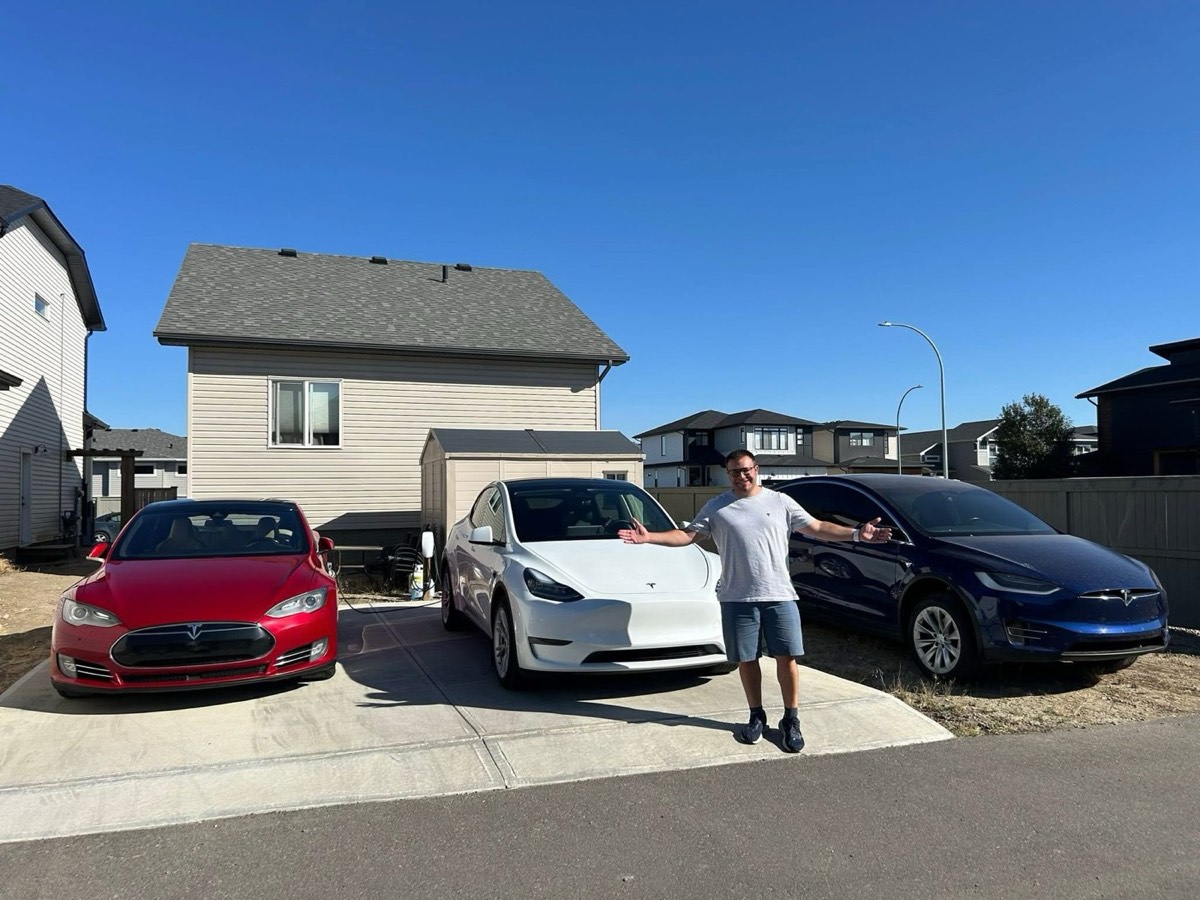
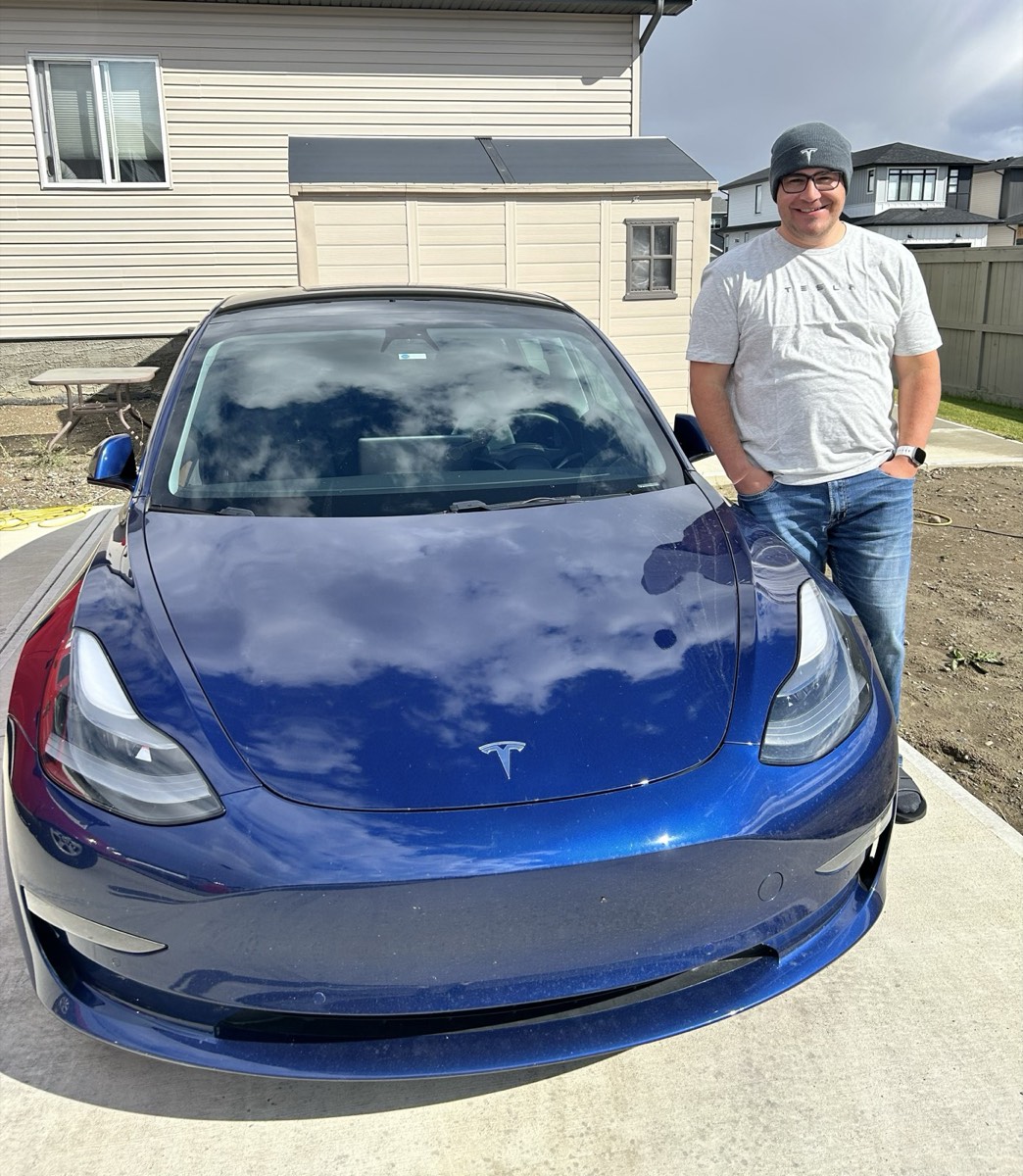
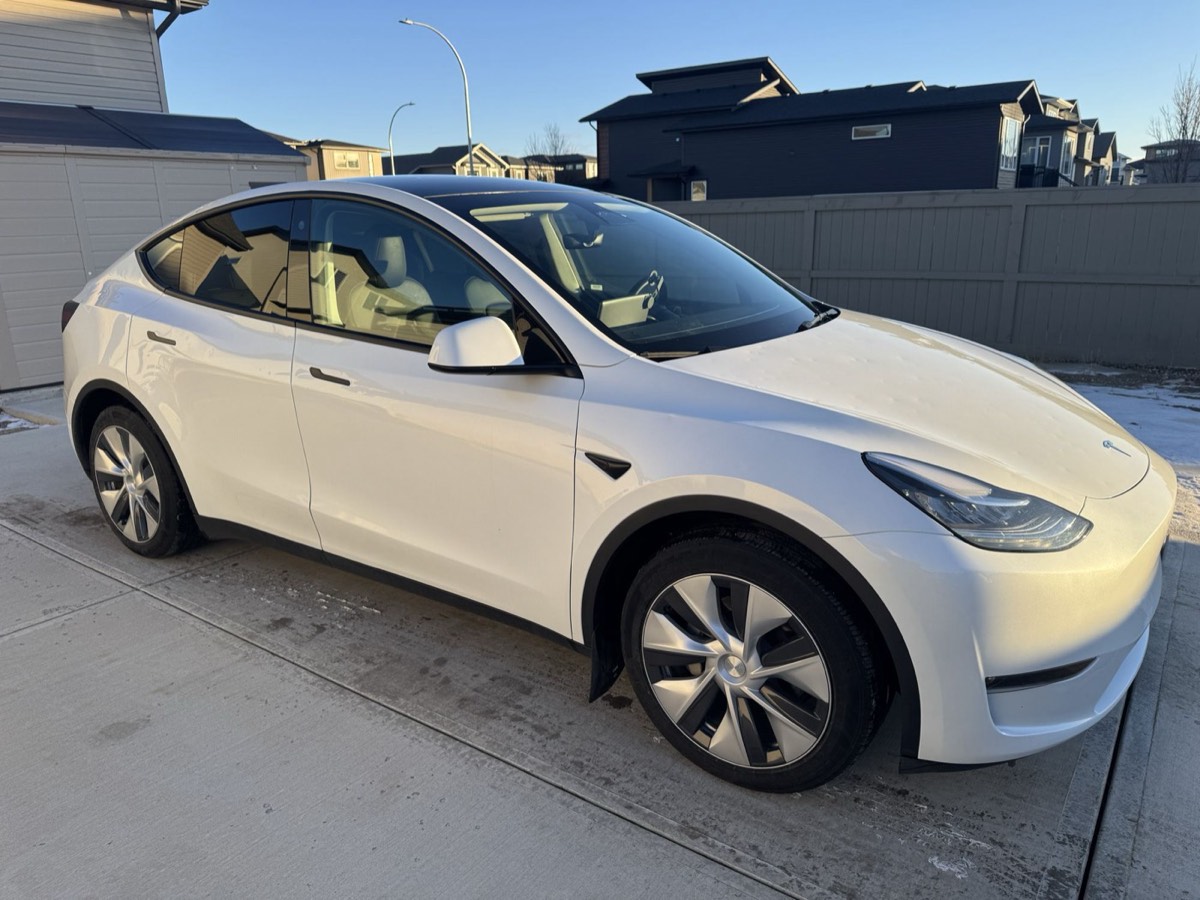
Hey, I'm Devan. Tesla owner in Lethbridge, Alberta.
Tap a question for the full answer. My own numbers, plus checked facts.
The full answers
The short answer is under each question. Open one for the details. Prices and offers were checked in November 2026.
A 2026 Model Y AWD (Tesla now calls it "Premium") is rated at 542 km. That rating assumes gentle, mild-weather driving. Here's the honest picture:
What that means for real trips:
| Lethbridge to Waterton and back (about 260 km) | Easy, any season |
| Lethbridge to Calgary and back (about 420 km) | One charge most of the year. A short top-up in deep cold. |
| Lethbridge to Edmonton (about 510 km) | One stop, about 15 to 20 minutes |
Most days you never think about range. You leave home full every morning, like a phone. On road trips I don't run to zero or wait for 100%: I arrive at a Supercharger with a few percent left, and the car plans every stop for me.
Sources: Tesla Canada rating via thinkev.ca and tslna.com (cars built after June 2025). Lifetime efficiency and battery capacity are from my own car. 0°C figure: Recurrent fleet data (78% of rated range at 0°C). -31°C: Norway's 2026 El Prix winter test, which measured a Model Y at 359 km. -30°C highway is my estimate at about 290 Wh per km, based on European winter highway tests (about 280 to 330 Wh per km at 130 to 140 km/h). Distances are approximate.
Honest answer: winter costs range, and -30°C costs a lot of it. The car still unlocks, heats up and drives. There's no engine to crank, so it doesn't struggle to start. Here's what to expect from a rated 542 km:
| Outside | Range loss | About |
|---|---|---|
| 0°C | 20 to 25% | ~410 to 430 km |
| -10°C | 25 to 30% | ~380 to 405 km |
| -20°C | 30 to 35% | ~350 to 380 km |
| -30°C, mixed roads | 34% (measured) | 359 km |
| -30°C, 110 km/h highway, heat on | about 48% | ~280 km |
These are for steady driving. Lots of short trips or fast highway driving push the loss higher, so plan with the bigger number.
Why it drops: heating the cabin and the battery takes energy, a cold battery is less efficient, cold air is denser so there's more drag, and snow, slush and winter tires all add resistance.
Short trips are the worst case. Every time the car sits outside at -30°C, it has to warm the cabin and battery again. Ten 5 km errands use far more energy than one 50 km drive.
Sources: Norway El Prix 2026 (Model Y 359 km at temperatures down to -31°C, 40% below its European rating); Recurrent fleet data (about 78% of range at 0°C, 70% at -7°C); CAA winter testing (14 to 39% loss at -7 to -15°C); AAA lab test 2026; Consumer Reports highway test (about 25% loss at -9°C and 113 km/h). The -10°C and -20°C rows are interpolated from these, and the -30°C highway row is my estimate.
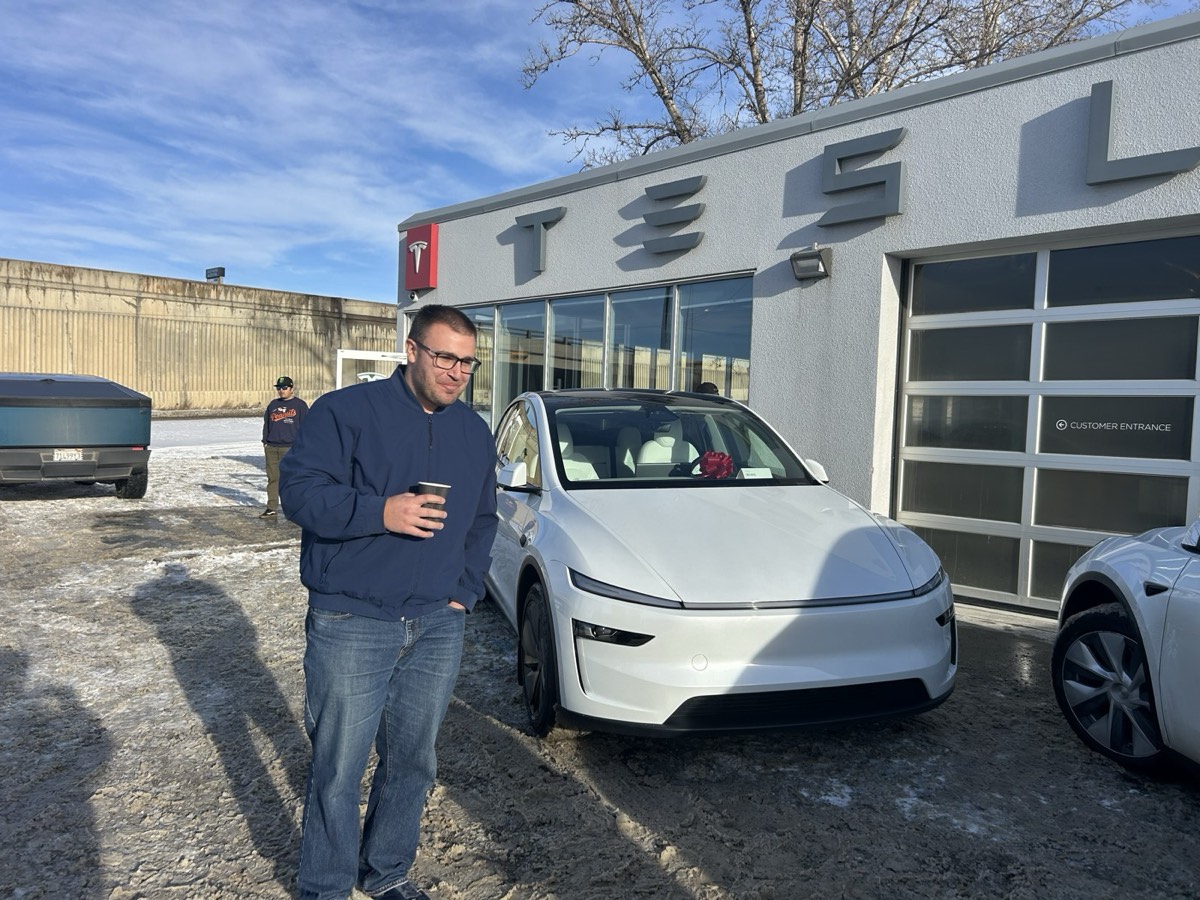
At home you plug in at night, like a phone, and wake up at whatever limit you set. A 240V home charger adds about 50 to 65 km of range per hour. A regular wall outlet adds about 5 to 8 km per hour.
On a road trip a Tesla Supercharger is fast at first, then slows as the battery fills, the same way you fill a glass: quickly at the bottom, carefully near the top. Each bar below is how many minutes it takes to add the next 10%, which is about 45 km of my real driving:
| Charge | Time | Range added (my driving) |
|---|---|---|
| 5% to 55% | about 14 min | about 225 km |
| 10% to 80% | about 26 min | about 315 km |
| 80% to 100% | about 34 min | about 90 km |
| 10% to 100% | about an hour | about 405 km |
The takeaway: the first half of the battery fills in about 14 minutes, while the last 20% takes about 34. That's why you arrive low, charge to what you need for the next leg, and go. Tesla advertises up to about 260 km in 15 minutes, which is the same idea at their gentler rated efficiency.
How I built this: InsideEVs measured 27 minutes for 10 to 80% on the 2026 Model Y Long Range, and a published charging test logged about 63 minutes for 10 to 100%, with power falling to about 35 kW at 87%, 32 kW at 90% and 13 kW at 100%. Minutes per band are estimated from those tests for a warm battery on a 250 kW Supercharger, using my 81 kWh battery. Km are at my 180 Wh per km. Tesla's "261 km in 15 minutes" is from Tesla Canada's Supercharging page. A cold battery or a busy site will be slower.
I don't want to oversell this, so here's an honest comparison against a RAV4, Canada's best-selling SUV and about the same size as a Model Y. Gas at $1.40 a litre, power at 16 cents per kWh:
| Per 100 km | How | |
|---|---|---|
| Tesla, charged at home | about $3.20 | 18 kWh + 10% charging loss = 19.8 kWh x $0.16 |
| Tesla, real mix (85% home, 15% Supercharger) | about $4.20 | blend of the two Tesla rows |
| Tesla, all Supercharger | about $9.80 | 18 kWh + 5% loss = 18.9 kWh x $0.52 |
| 2026 RAV4 Hybrid AWD | about $9.10 | about 6.5 L real world x $1.40 (rated 5.5 to 6.2) |
| Older gas-only RAV4 AWD | about $11.90 | about 8.5 L real world x $1.40 |
The honest bottom line: with a realistic mix of home and road-trip charging, you spend about 55% less than a new RAV4 Hybrid and about 65% less than an older gas RAV4. If you almost always charge at home, it's about 65 to 75% less. If you can't charge at home and use Superchargers for everything, it costs about the same as a hybrid.
Two more honest notes. Alberta's 13 cent fuel tax is paused until December 31, 2026, so gas will likely rise in January. And winter raises the electric numbers by roughly 20 to 40%, though cold also hurts gas mileage.
Want your own numbers? Try the calculator. You can set how much you'd charge at home.
Sources: my own car's lifetime efficiency (180 Wh per km) and power rate; City of Lethbridge 2026 energy rate (9.975 c/kWh) plus delivery charges; Tesla Supercharger prices in Alberta, November 2026 (about $0.52 per kWh); Toyota Canada 2026 RAV4 Hybrid AWD ratings (5.5 to 6.2 L/100 km) and a Canadian review that averaged 7.2 L/100 km in a cold snap; Lethbridge pump prices, mid-November 2026 (about $1.20 to $1.76, with the provincial fuel tax paused). Real-world litres are my estimates above the official ratings.
You do. Tesla's Full Self-Driving is officially "FSD (Supervised)". In Canada it's driver assistance, so you're still the driver. Speeding tickets, demerits and responsibility are yours.
Sources: Transport Canada ("self-driving vehicles aren't commercially available in Canada"); Tesla Canada FSD pricing via driveteslacanada.ca, Nov 2026.
Battery wear follows an S curve. It loses a few percent in the first year or two, then flattens out and barely moves for a long time.
Sources: Tesla Impact Reports 2022 and 2023; Geotab 2025 study of 22,700 EVs (about 2.3% a year on average); thinkev.ca battery data; Tesla Canada warranty terms (secondary sources).
No oil changes, spark plugs, timing belt or transmission fluid. The motor slows the car down when you lift off the pedal, so the brake pads last a very long time. Here's what's left, with real prices:
| Item | How often | Cost |
|---|---|---|
| Washer fluid (-40°C) | As needed | about $5 a jug |
| Cabin air filters | Every 2 years | about $40 to $60 (aftermarket set) |
| HEPA + carbon filter kit | Every 3 years | US$90 at Tesla (about $125 CAD) |
| Winter tires, set of 4 | Every few winters | my set: about $1,600 CAD ($400 a tire) |
| All-season tires, set of 4 | When worn | my latest set: about US$1,300 installed |
| Brake fluid check | Every 4 years | at service |
| Clean and lube brake calipers | Yearly on salted roads | at service |
Tires are the big one. EVs are heavy and quick off the line, so they wear tires a bit faster than a typical car. Rotate them and keep them at the right pressure.
Sources: Tesla Model Y owner's manual maintenance schedule; Tesla Shop (HEPA + carbon kit); Canadian Tire (-40°C washer fluid, 3.78 L); Canadian aftermarket filter listings, November 2026. Tire prices are my own receipts.
The battery sits low in the floor, which gives a very low centre of gravity, so rollovers are rare. If the 12V power ever dies, every door has a manual release, and it's worth knowing where yours is.
It depends what you'll use it for. My usual advice:
Free unlimited Supercharging only came on very old Model S and X cars, and it stays with the car, not the owner.
Sources: Tesla Canada pricing via iphoneincanada.ca and tslna.com, 2026; used prices from CarGurus.ca Alberta listings.
No. I'll always tell you why I love mine, but the real win is going electric. Good options in Canada include the Hyundai Ioniq 5, Kia EV models, Chevrolet Equinox EV and Ford Mustang Mach-E. Rivian is the closest to Tesla on tech.
Where Tesla still wins for me: the Supercharger network, the self-driving, and software that keeps getting better while the car sits in your driveway.
The fleet
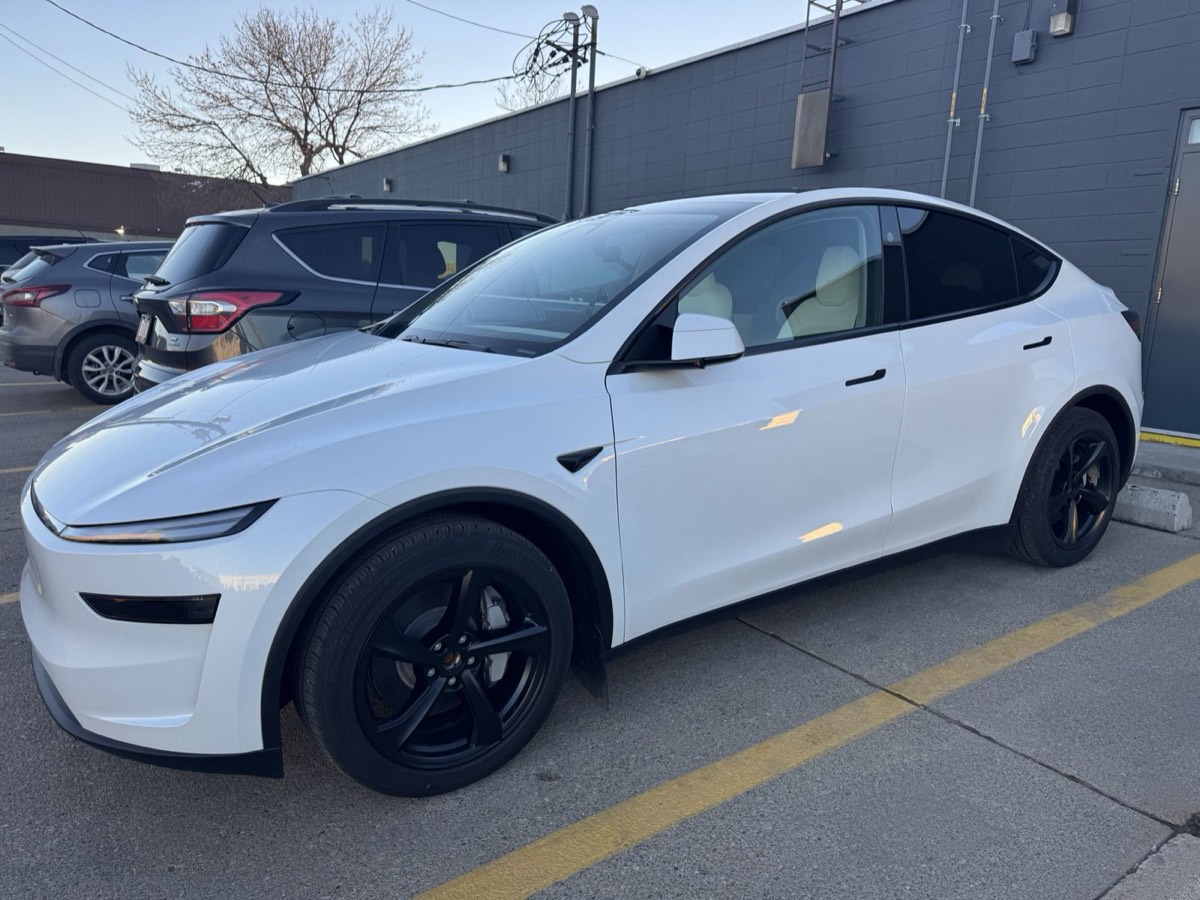
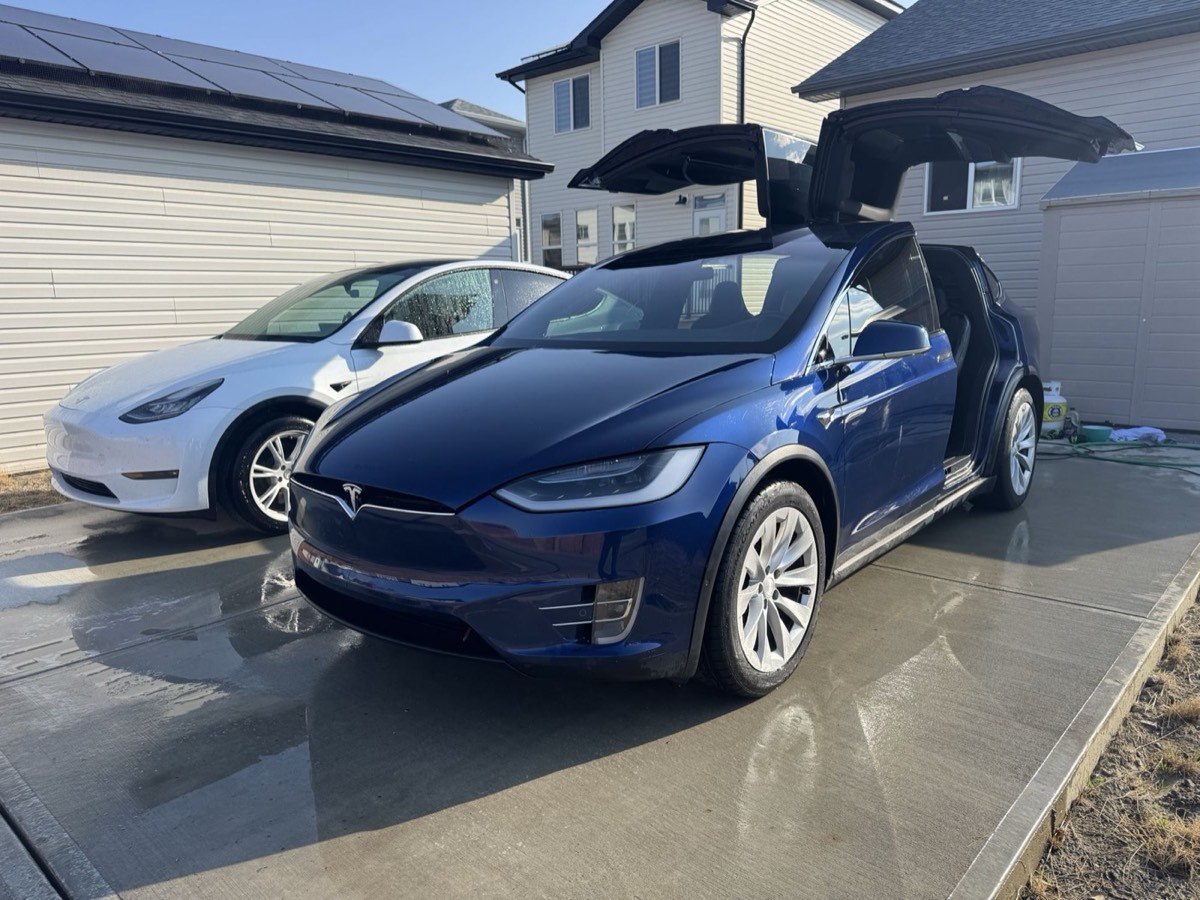
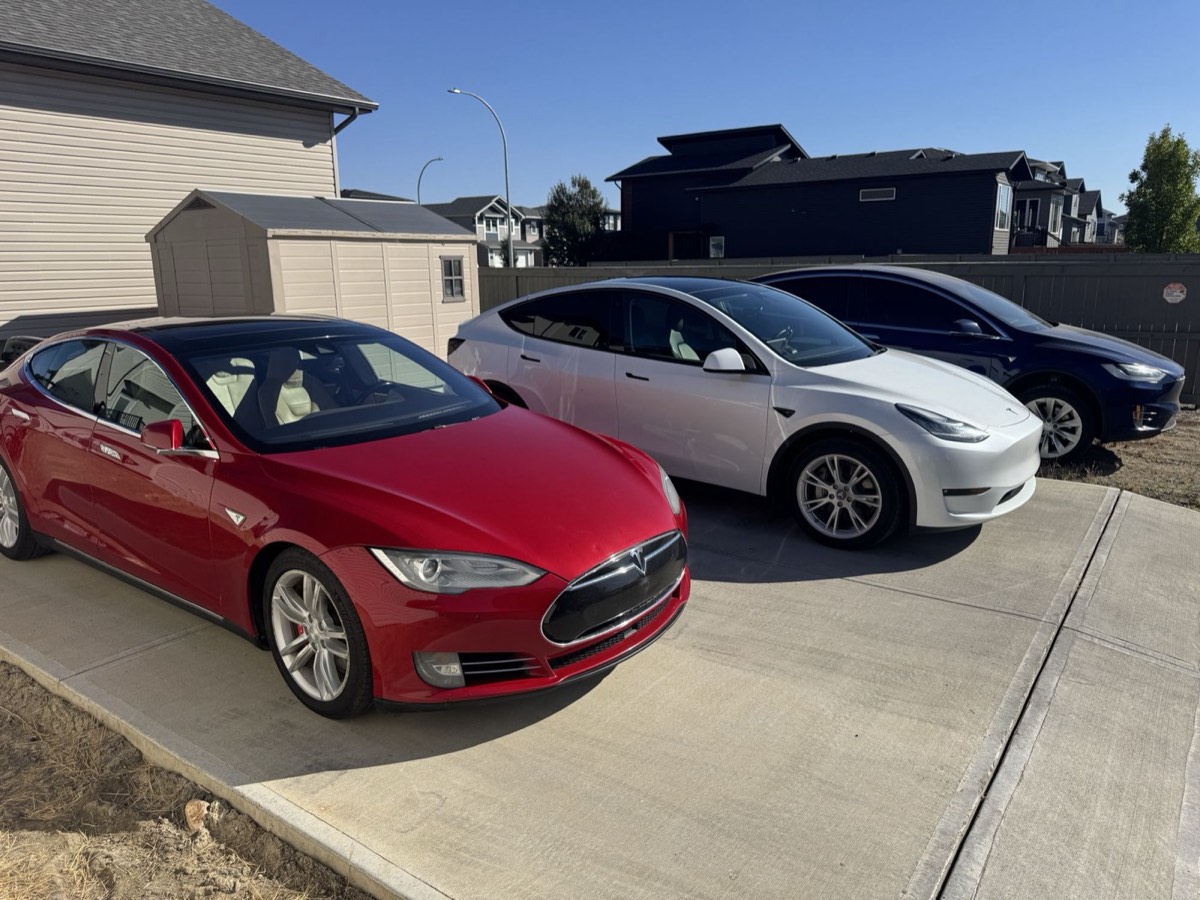
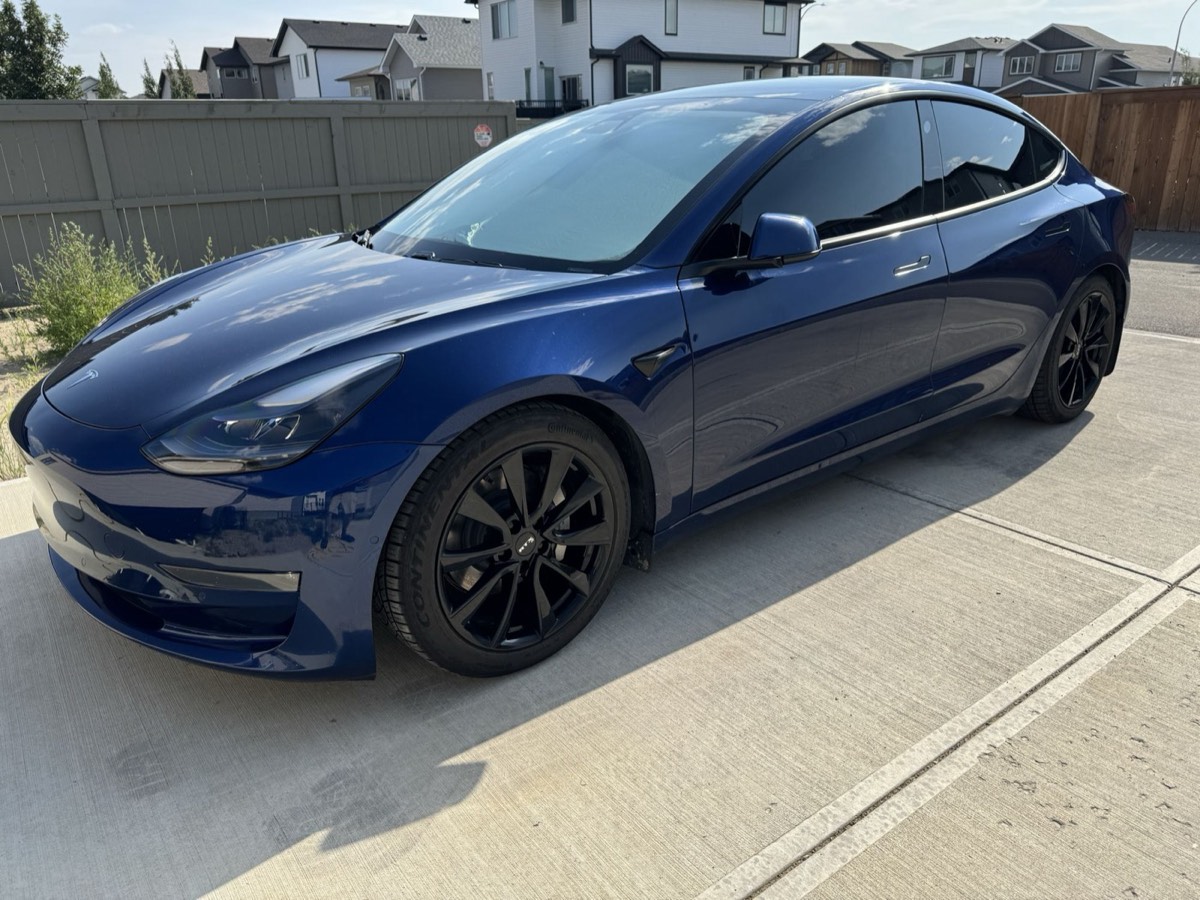
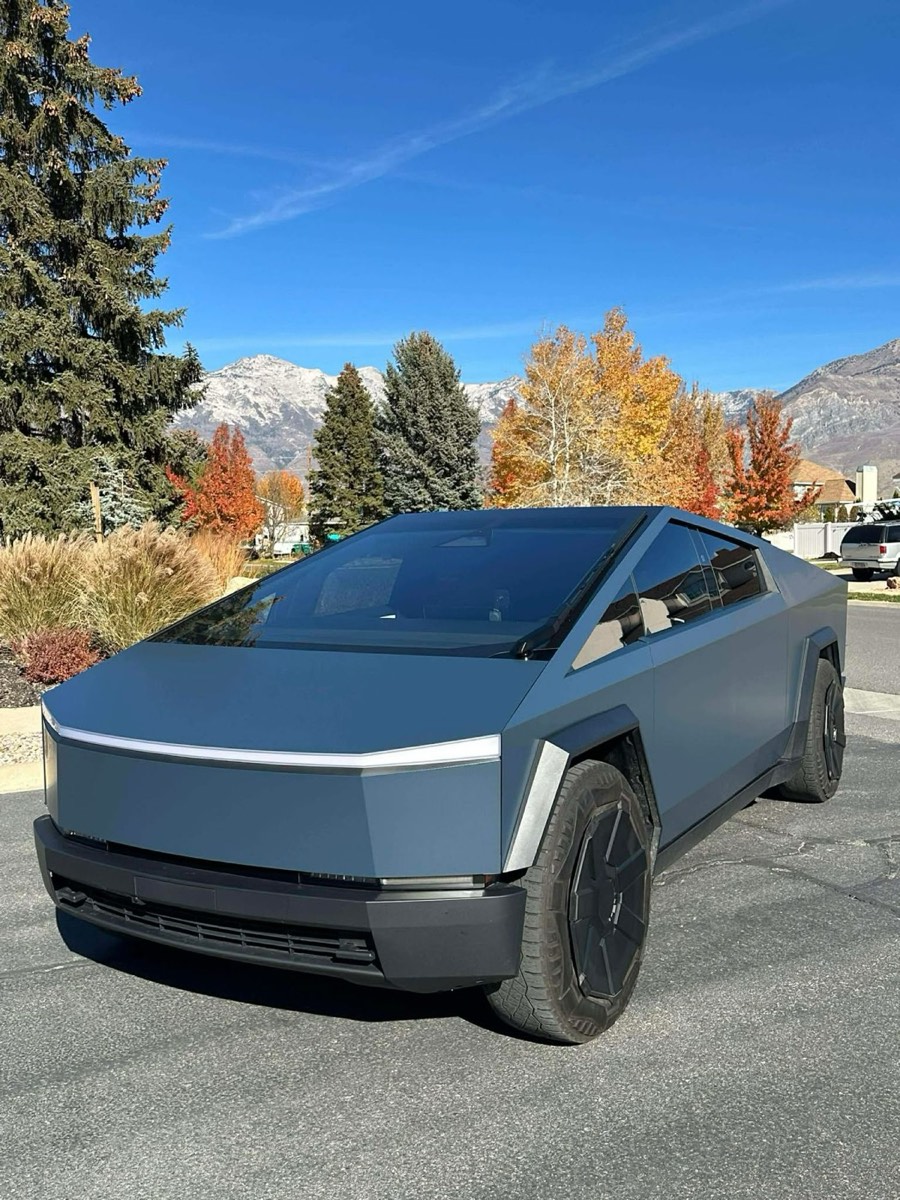
Swipe through. Yes, the doors on the X really do that.


Run your own numbers
Slide to match how you drive. A new RAV4 Hybrid uses about 6.5 L per 100 km in real driving; an older gas SUV about 8.5 to 10.
Ready to look?
Get a free month of Full Self-Driving (Supervised) when you use my link. It costs you nothing extra, and if you have questions while you shop, just text me.
Referral terms are set by Tesla and change from time to time. Check the current offer on Tesla's page before you order.
Canada's EV Affordability Program pays $5,000 on new EVs with a final price of $50,000 or less. The Model Y RWD qualifies. Amounts drop starting January 1, 2027.
Hyundai, Kia, Chevrolet, Polestar and Lucid run cash and loyalty offers that change every month. Ask the dealer what's live before you sign.
Alberta has no provincial EV rebate right now. Some cities help with home charger costs. A hardwired charger usually runs $1,200 to $2,500 installed.
Sources: Transport Canada EVAP vehicle list; ATCO Alberta charger guide; dealer offers via driveteslacanada.ca, November 2026.
Stay in the loop
When I learn something worth knowing, like a new deal, a winter trick or a road trip lesson, I'll send it your way. No spam, just the good stuff.
By signing up you agree that Devan Borsboom can email you about EVs and Teslas. Every email has an unsubscribe link, or just reply "stop".